

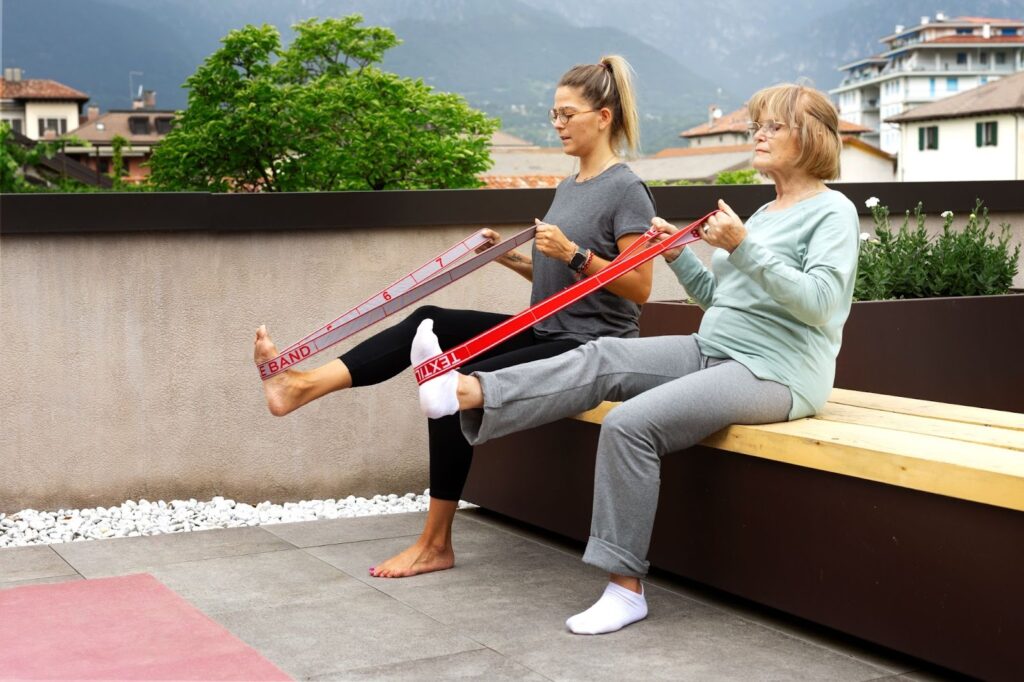
If you’re a local in or around Newport Beach dealing with chronic pain, poor movement patterns, or recurring limitations due to stiff joints or weak muscles, you may be exploring the role of movement-based rehabilitation. Many people experience pain not because of injury alone, but because their bodies have adapted to inefficient or restricted movement habits over time. That’s where structured movement therapy can make a lasting difference.
At Performance Health and Wellness, our approach to movement therapy Newport Beach focuses on restoring optimal body mechanics through guided movement correction, mobility training, and functional exercises. Whether you’re recovering from an injury, managing long-term discomfort, or looking to move more efficiently, our movement specialists assess how your body moves and create a personalized plan to improve mobility, stability, and performance.
What is Movement Therapy?
Movement therapy refers to structured, purposeful intervention that focuses on restoring efficient movement patterns, improving joint mobility, enhancing coordination, and correcting faulty body mechanics. Rather than simply exercising harder, movement therapy homes in on how you move your posture, alignment, stability, and neuromuscular control.
In the Newport Beach region, movement therapy may be offered by movement therapists, mobility trainers, corrective exercise specialists, or allied-health professionals who integrate movement correction into their practice.
Key Aspects
- Assessment of current movement patterns (posture, gait, lift/hinge/squat mechanics)
- Identification of dysfunctions (limited joint range, compensatory movement, muscle weakness or overactivity)
- Design of corrective movement programs and mobility training
- Integration back into functional tasks, everyday movement, and sport or fitness activity
Why Movement Correction Matters for Locals With Chronic Pain
Chronic pain and recurring movement limitations often emerge not just from injury, but from years of compensatory patterns, under-utilized mobility, or poor mechanics. For those in the Newport Beach area regularly engaged in fitness or activity (surfing, running, gym training, tennis, paddleboarding), the interplay between mobility, stability, and movement quality becomes especially important.
Some reasons movement correction is critical:
- Reduced joint wear-and-tear: When movement mechanics are poor (e.g., over-rotating at the hips, collapsing knees in a squat), load is applied abnormally, increasing stress on joints. Movement therapy that emphasizes mobility training and functional movement can rebalance those forces.
- Lower risk of injury: Improving movement patterns and mobility decreases compensatory overuse of certain muscles or joints.
- Improved function in everyday life: Better movement mechanics help beyond sport—bending, lifting, squatting, and reaching become smoother and less painful.
- Enhanced recovery: Addressing faulty movement patterns means that when injury happens, you’re better positioned for rehabilitation rather than repeating the same inefficient motion.
- Performance boost: For active individuals, improving mobility, stability, and functional movement directly supports training, agility, and long-term performance.
In short, movement therapy is not about simply doing more workouts—it is about doing movement better.
What Conditions Movement Therapy Can Address
In the context of Newport Beach and movement-oriented locals, movement correction and mobility training may be applied to a wide range of conditions, including but not limited to:
- Chronic low back pain due to poor hip or core mechanics
- Shoulder pain from compensatory overuse or mobility imbalance
- Hip or knee discomfort associated with weak stabilizers or poor movement patterns
- Recurrent ankle or foot issues from limited mobility or poor biomechanics
- Post-rehabilitation movement retraining after injury or surgery
- Movement limitations caused by sedentary lifestyle or poor posture
The table below summarizes examples of dysfunctions and how movement therapy addresses them:
| Dysfunction | Typical Findings | Movement Therapy Focus |
| Low back pain with poor hip hinge | Lumbar flexion instead of hip hinge when bending | Teach proper hip hinge, activate glutes/hamstrings, improve hip extension |
| Shoulder strain or impingement | Over-reliance on upper traps, limited scapular mobility | Correct scapular movement, strengthen stabilizers, improve shoulder mechanics |
| Knee pain during squats/runs | Valgus collapse, weak hip abductors, stiff ankles | Improve ankle mobility, strengthen glutes, correct knee tracking |
| Foot/ankle sprain recurrence | Poor balance or weak intrinsic stabilizers | Train ankle mobility, balance, and proprioception |
| Post-injury movement restriction | Loss of coordinated movement patterns | Retrain movement sequences, restore mobility, integrate functional movement |
How Mobility Training and Functional Movement Work Together
Mobility training and functional movement work hand in hand to create a foundation for pain-free, efficient motion. Together, they enhance flexibility, stability, and coordination, allowing the body to move with greater control and strength.
Mobility training and functional movement are closely linked but emphasize slightly different things:
- Mobility training focuses on restoring joint range of motion and soft-tissue flexibility so you can move adequately.
- Functional movement emphasizes how you move through tasks—squat, lunge, carry, twist without compensations.
A typical movement therapy program might start with mobility assessments (hip, thoracic spine, ankle), then progress to movement pattern correction (hinge, squat, lunge, push/pull), and finally integrate these into functional tasks or sport-specific movements.
The benefit: improved movement efficiency, reduced pain, and long-term durability.
Benefits of Movement Therapy and Mobility Training
For individuals in Newport Beach with chronic pain or restricted mobility, movement therapy offers numerous benefits:
- Reduced pain through improved mechanics and balanced muscle activation
- Enhanced mobility and flexibility that make everyday motion easier
- Improved efficiency with less strain or fatigue during activity
- Better performance for athletes and fitness enthusiasts
- Greater functional independence for daily living
- Long-term prevention of injuries through sustainable movement habits
Summary
Movement therapy in Newport Beach offers a science-backed, movement-centered way to address chronic pain, restore mobility, and correct faulty movement patterns. By focusing on functional movement, mobility training, and movement correction, individuals can rebuild strength, reduce discomfort, and improve how they move every day.
Working with a qualified movement therapist Newport Beach ensures the program is tailored to your body’s needs and long-term goals, helping you achieve a pain-free, more mobile, and resilient lifestyle.
For more information or to schedule a consultation with the expert team at Performance Health and Wellness, contact us today to begin your personalized movement therapy and mobility improvement plan.
Frequently Asked Questions
Q1. Do I need to stop my current workouts while doing movement therapy?
Not necessarily. Most individuals can continue their normal activities, with adjustments made by their therapist to avoid aggravating movements until form improves.
Q2. How long until I notice improvement?
This depends on your baseline mobility and consistency. Many people notice progress in pain reduction or movement ease within three to six sessions.
Q3. Is movement therapy the same as physical therapy?
They share principles but differ in focus. Movement therapy prioritizes quality of movement and mechanics, while physical therapy often targets injury recovery and medical rehabilitation.
Q4. Can movement correction help with chronic back, hip, or knee pain?
Yes. When pain stems from inefficient movement or mobility restrictions, correcting those patterns can significantly relieve discomfort and improve performance.
Q5. How often should I attend sessions?
Many clients start with weekly sessions for four to six weeks, then move to maintenance or check-ins as needed. Consistency and at-home exercises are essential for best results.