

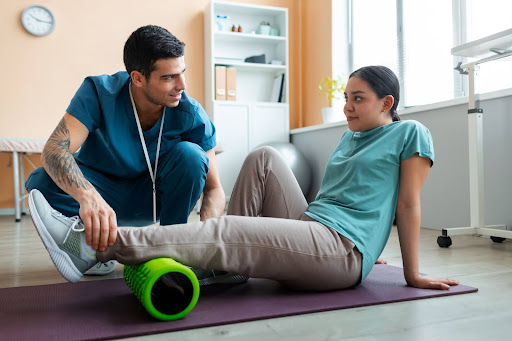
Active Release Therapy (ART) is a specialized, hands-on treatment designed to address soft tissue injuries commonly experienced by runners. At Perform Health & Wellness in Newport Beach, ART is a core component of our holistic approach to athlete recovery, used to target muscle tension, scar tissue, and sports-related injuries. This therapy is particularly effective for runners who face repetitive stress, overuse injuries, or chronic tightness that can interfere with performance and daily activity.
By combining skilled manual manipulation with precise patient-guided movements, ART helps restore normal tissue function, improve flexibility, and accelerate healing. At Perform Health & Wellness, we integrate ART with other services such as chiropractic care, functional movement assessment, and sports rehabilitation to create personalized treatment plans. This article delves into what ART is, how it works, its benefits and potential limitations, and why local athletes trust Perform Health & Wellness for effective recovery and ongoing injury prevention.
What Is Active Release Therapy?
ART is a patented soft tissue system and movement-based massage technique that treats problems with muscles, tendons, ligaments, fascia, and nerves. Unlike traditional massage, ART combines precise pressure with active movements performed by the patient to release adhesions, restore mobility, and improve tissue function.
Key Components of ART:
- Manual Manipulation: A skilled practitioner applies targeted tension to the affected area.
- Active Movement: The patient performs movements that stretch and release tissues.
- Scar Tissue Breakdown: ART helps prevent or reduce adhesions and scar formation.
At Perform Health & Wellness, our trained ART practitioners focus on optimizing movement, reducing pain, and improving overall athletic performance for runners and local athletes.
How ART Works for Runners
Runners are prone to injuries caused by repetitive motions and overuse. ART addresses these issues through a structured process:
- Assessment: The practitioner identifies tight or dysfunctional muscles and areas with scar tissue.
- Targeted Pressure: Muscles, tendons, or fascia are manually manipulated.
- Active Movement: The patient performs specific motions to enhance tissue release.
- Recovery and Restoration: Improved circulation and mobility reduce pain and prevent recurring injuries.
Common Running Injuries Treated by ART:
| Condition | How ART Helps | Typical Recovery |
| IT Band Syndrome | Reduces adhesions along lateral thigh and knee | 2–6 sessions |
| Plantar Fasciitis | Releases tension in foot and calf muscles | 3–5 sessions |
| Hamstring Strains | Restores flexibility and muscle length | 3–6 sessions |
| Achilles Tendonitis | Relieves calf tightness and tendon restrictions | 2–4 sessions |
| Shin Splints | Addresses lower leg muscle tightness | 3–5 sessions |
Benefits of Active Release Therapy for Runners
Active Release Therapy offers runners more than just pain relief. By targeting tight muscles, breaking down scar tissue, and improving tissue mobility, ART enhances overall flexibility and running mechanics. Working with a functional movement coach alongside ART can help runners identify movement patterns that contribute to injury, ensuring proper biomechanics.
Runners often experience faster recovery from overuse injuries, reduced risk of future strains, and improved stride efficiency. Additionally, ART supports better blood flow and nutrient delivery to muscles, which aids in healing and helps athletes maintain consistent training schedules without discomfort or interruptions.
- Faster Recovery: Speeds up healing of overuse injuries.
- Scar Tissue Reduction: Improves mobility and prevents re-injury.
- Enhanced Performance: Optimizes stride mechanics and flexibility.
- Pain Relief: Targets chronic and acute soft tissue pain.
- Customized Care: Each session is tailored to the runner’s specific needs.
At Perform Health & Wellness, ART is integrated into comprehensive treatment plans, combining chiropractic care, movement therapy, and sports medicine to support runner recovery.
Considerations and Limitations
While ART is highly effective, runners should be aware of:
- Discomfort During Treatment: Deep tissue manipulation may cause temporary soreness.
- Requires Expertise: Effectiveness depends on the skill of the practitioner.
- Not a Standalone Solution: Should be paired with strengthening and flexibility programs.
- Cost and Frequency: Sessions may be more expensive than traditional massage and require multiple visits for chronic injuries.
ART vs. Traditional Soft Tissue Massage
| Feature | Active Release Therapy | Traditional Massage |
| Technique | Targeted pressure + active patient movement | Passive manipulation |
| Focus | Adhesions, scar tissue, nerve entrapment | Relaxation and tension relief |
| Recovery | Speeds healing of sports injuries | Temporary relief |
| Practitioner Training | Requires specialized ART certification | Moderate training |
| Duration | 15–30 minutes | 30–60 minutes |
How ART Fits Into a Runner’s Routine
- Initial Evaluation: Identify tight muscles, imbalances, and injury sites.
- Scheduled Therapy: Frequency depends on injury severity, often 1–2 sessions per week.
- Complementary Exercises: Stretching, strengthening, and mobility work reinforce results.
- Ongoing Maintenance: Periodic ART sessions maintain tissue health and prevent recurring injuries.
Runners in Newport Beach report that combining ART with regular conditioning, stretching, and strength training leads to fewer injuries and improved performance.
Local Success Stories at Perform Health & Wellness
Many local runners in Newport Beach have experienced significant improvements through ART. One marathon runner, for instance, overcame persistent IT band pain and was able to resume full training after a series of focused sessions. Similarly, a triathlete recovering from a calf strain regained strength and mobility more quickly than expected, allowing uninterrupted preparation for upcoming events. These stories demonstrate how ART can support faster recovery and better performance for athletes.
- A marathon runner with chronic IT band pain regained full training capacity after six ART sessions.
- A triathlete recovering from calf strain used ART to resume swimming and cycling without setbacks.
- Local running clubs note improved recovery times and fewer recurring injuries after incorporating ART.
These results highlight the effectiveness of ART when combined with personalized wellness plans at Perform Health & Wellness.
Integrating ART With Other Services
At Perform Health & Wellness, ART is part of a full spectrum of services for athlete recovery:
- Chiropractic Care: Corrects alignment to reduce strain on muscles.
- Movement Therapy: Enhances biomechanics and running efficiency.
- Sports Medicine: Supports recovery from acute and chronic injuries.
- Functional Medicine: Addresses underlying health factors that impact performance.
Combining ART with these services ensures that runners not only recover but also improve long-term performance and prevent future injuries.
Conclusion
Active Release Therapy is a targeted, effective method to address soft tissue injuries in runners. By releasing adhesions, reducing scar tissue, and improving mobility, ART supports faster recovery, enhanced performance, and injury prevention.
For Newport Beach runners looking to improve recovery times and optimize athletic performance, Perform Health & Wellness provides expert ART care integrated with a full range of wellness services. Prioritizing tissue health and movement efficiency can help runners achieve their goals safely and sustainably. To schedule a consultation or learn more about ART, contact us today.
Frequently Asked Questions
Q1: Is ART painful?
A: Some discomfort is normal during deep tissue manipulation, but it typically subsides after treatment.
Q2: How long until I see results?
A: Many runners notice improvements in mobility and pain after 1–3 sessions, though full recovery may take longer.
Q3: Can ART prevent running injuries?
A: Regular ART sessions maintain tissue health and flexibility, which can reduce the risk of injury.
Q4: Who can benefit from ART?
A: Both recreational and competitive runners, as well as local athletes, can benefit. Treatments are customized to individual needs.
Q5: How often should ART be performed?
A: Acute injuries may require 1–2 sessions per week, while maintenance visits can be monthly.